Quantcast

Wednesday, September 28, 2016

Reading "Another Brooklyn" A Review

Another Brooklyn
Jacqueline Woodson
Amistad (August, 2016)
978-0062359988
August has come back to Brooklyn for her father's funeral and the journey has sparked a riot of memory the propels her backward to her girlhood and the friends she made and left there.  We travel with her and walk through the streets of a neighborhood in transition with girls who are transitioning as well. All four reflections of themselves and so different. August, Sylvia, Gigi and Angela build each other up against the breaking of bones and dreams that life does in order to grow girls into women and we watch as they all form beautiful scars.

The book is a dream and it's told in a lyrical way that moves in time from the present day back to twelve, thirteen, sixteen and beyond. We're wistful as the girls find young love, or what they believe is love and wince as the consequences come in harsh and biting as winter wind. The tale is fiction, but it is truth and because of that some won't think it's appropriate for younger readers, but I find real life comforting because so few of us are given the luxury of living in fantasy and that includes children.

This Book is For:

  • Anyone who loves books in verse
  • Anyone who is longing for the truth in contemporary fiction, something bittersweet and nourishing
  • Anyone who hasn't read a good story about black girlhood in a long while or at all

Discussion Questions:

  1. August is longing for her mother, but doesn't know it. How does it manifest in her life?
  2. So many people are dealing with undiagnosed mental illness in the book. How do they cope or don't?
  3. We know that Sylvia is alright in the end. Can you imagine what her story past the point of the baby?
  4. In their middle school years the girls are connected at the hip. Was it inevitable that they'd drift apart?
  5. Discuss the idea of boys and men as predators. Is that a fair assessment?
  6. Woodson writes that Brooklyn had longer nails. Talk about how that statement is true and untrue.
  7. The girls saw themselves as wild and beautiful until people like Sylvia's father made them feel that they were not. In what ways does your world impose assumptions of inferiority on poor children? Does it?

Soundtrack:
Woodson writes towards the end of the book that the lives of the girls should have been in Jazz, but they did not know it. The feeling I get from the book is slow and organically sweet like John Coltrane. So listen to A Love Supreme by John Coltrane while you read.

Sunday, September 25, 2016

October is #IWriteInColor Month


It can be a struggle to find content that speaks to your diverse aesthetic or that of your readers and that is why the campaign for diverse books is so important. Furthermore, there is a need to cultivate tomorrow's writers. This October, join me in a full month of diverse flash fiction. Use it to kickstart your brain for NaNoWriMo or just to inject some color into your own writing practice.


Every day in October, check my twitter feed for a fresh writing prompt acknowledges and celebrates the existence of people of color in all realms of reality, fantasy, horror, and comedy, and if you haven't already subscribe to my newsletter. You'll get a free brochure with all 30 days of prompts to use anytime.

See you in October!


Friday, September 23, 2016

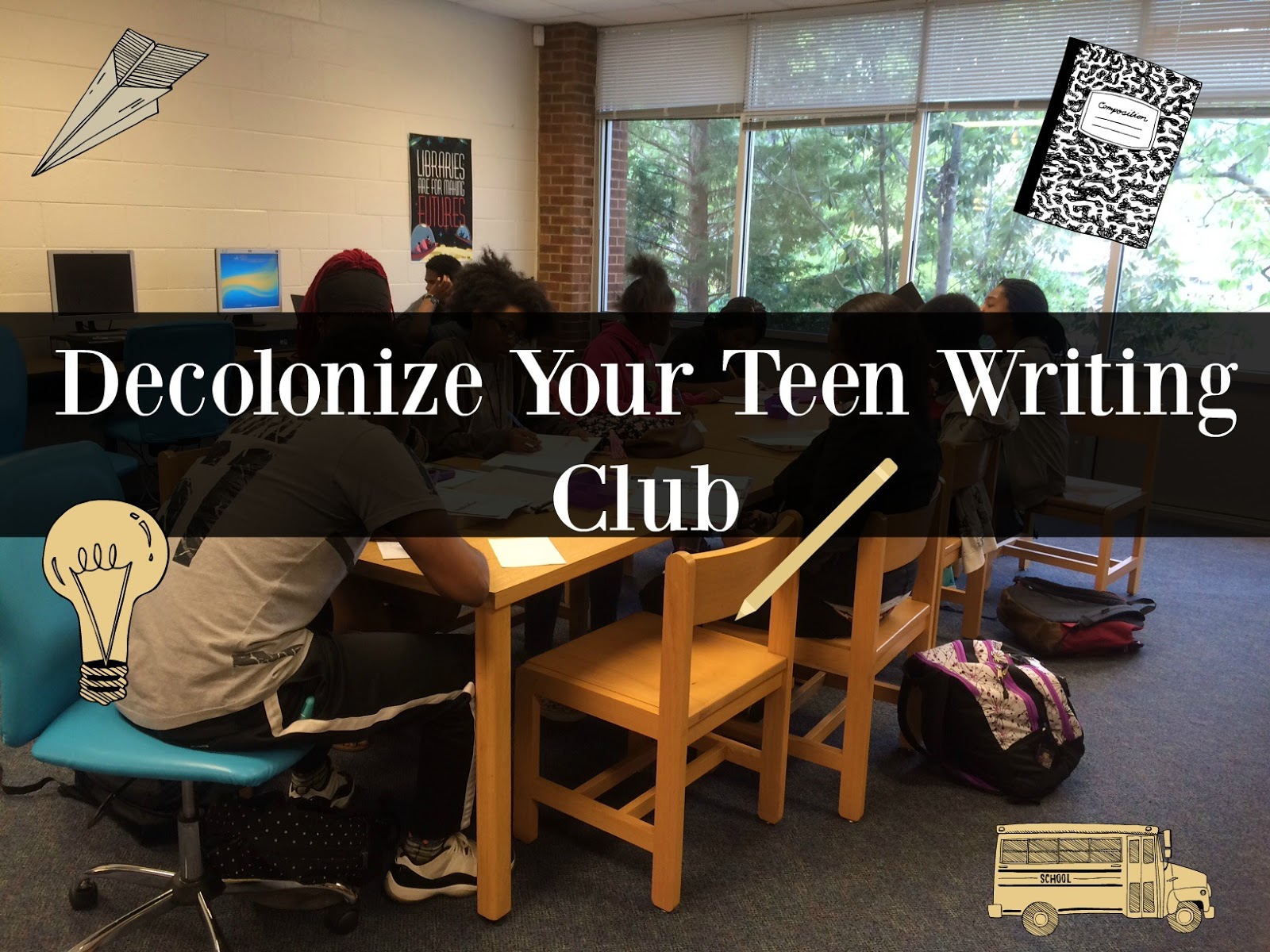
Decolonize Your Teen Book Club


We all know that publishing has a diversity problem, but I contend that all of us have a diversity problem. We see the world through a white lens, all of us do because that's all that we've been given. This becomes especially problematic when I work with young writers of color. Inevitably, when I begin a new year and I get those first slips of flash fiction there are the tell-tale signs of whiteness. Blake is running from the monster in this story, or Karen is looking back at her teary blue eyes in the mirror. This would not be a problem if my young writer's had blue eyes, they don't. They're more likely to be named Keisha or Keyshawn than Karen. They've been indoctrinated. As voracious readers they've soaked up the imagery and normalcy of whiteness and thus have erased themselves. If they are not told to actively write people like themselves into the story then they won't. Some may even believe that by virtue of including a character of color it somehow makes the story cheap or low rent. Maybe because the only books they see with characters of color are the mass produced series for reluctant readers. And don't get me started on the aversion to self-publishing. Kids really do judge a book by its cover (btw, colorful and hardback wins every time).

Here are some steps to broadening the narrative in your clubs for the next generation.

1. Read through colored lenses.

Choose a book for the club to read together. It doesn't matter what book it is just tell them from the beginning that the characters are not white. Kevin is now Kumar and Lucy is now Luz. Talk about how that changed the story for them. Did it matter? Could you keep it up the entire book or were the people you saw in your head still white?

2. Give your writing prompts over to Jamal.

When you're assigning writing prompts deliberately use ethnic names. How does this change the kinds of stories the students tell. Are there stereotypes that need to be rooted out?

3. Have the talk.

Nothing works like bringing the elephant in the room to the center of the circle. Ask them why the characters they write don't look like them or speak like them or have names like theirs, if there are students of color. Let them talk.

There's been a lot of discussion about white writers infusing their writing with diversity. I don't necessarily agree that white writers have to do that. I think its more important to have writers of color writing the stories themselves, hence ownvoices. However, if you have writers who live and go to school in a pretty diverse area it makes sense for the writing to reflect that. There's no reason for a kid who lives in Brooklyn to write a story without any characters of color. The same would be said of a kid who lives in Miami neglecting to include anyone who speaks Spanish.

4. Flip the Script

Try an exercise where the writers flip classic bedtime stories and fairy tales. Put Little Red Riding Hood in the middle of Compton in the present day. Make Cinderella queer and Latina. Make Dracula Haitian and Frankenstein Laotian. Allow the backgrounds of the students speak through the tales and have them share.

Let me know how it goes with your groups. 

Episode 7: Review of Rani Patel in Full Effect


Monday, September 19, 2016

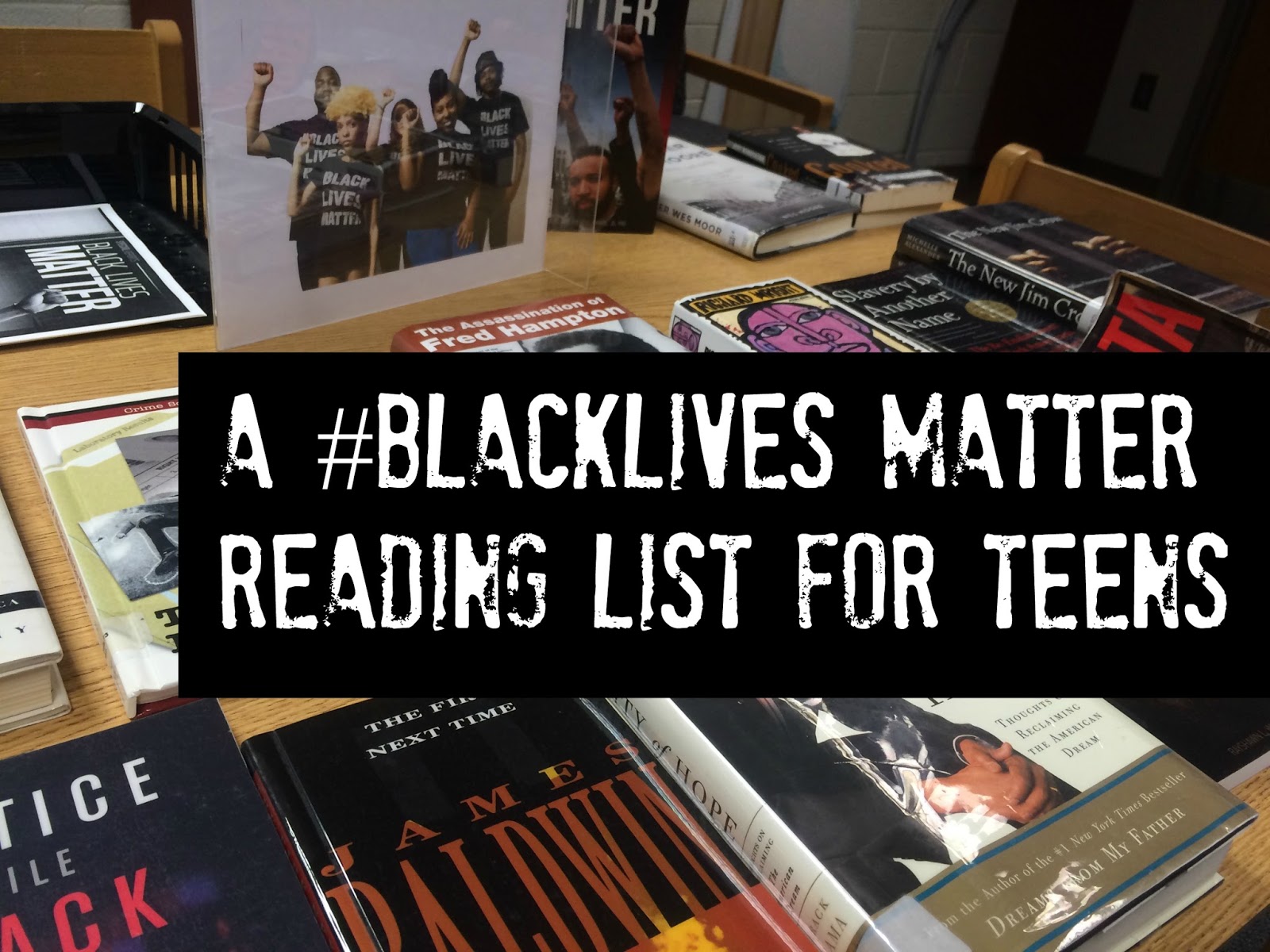
A #BLACK LIVES MATTER READING LIST FOR TEENS


It seems like every week there is another shooting of an unarmed Black man, and with football season in swing the silent protest of Colin Kaepernick has brought the fight for an end to police brutality to the forefront. The Black Lives Matter movement is controversial to some and a necessary progression of the civil rights movement to others. However you feel, it cannot be ignored and that means there is an opportunity to gain more understanding through books. I’ve sifted through my stacks and pulled a number of titles that address:
  • ·         The Prison Industrial Compex
  • ·         Jim Crow laws and their legacy
  • ·         Slavery and the roots of the modern prison system
  • ·         The War on Drugs
  • ·         The Civil Rights Movement
  • ·         The Black Power Movement


All of these topics give insight into how and why the Black Lives Matter is important. Here is my list. It’s a great list to take to your librarian and if you’re a librarian, it serves as a good purchase list. I've included some fiction from Walter Dean Myers, Jason Reynolds and Kekla Magoon, because fiction can speak to us in a way that raw information cannot on an emotional level. Let me know if you've read any of these and please go check them out.


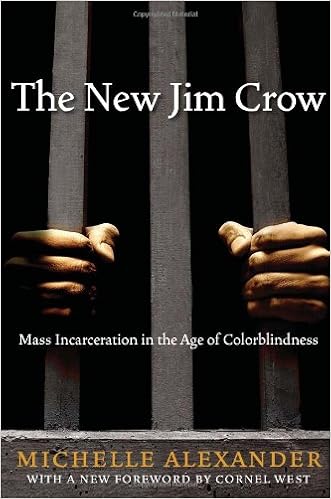
Alexander, Michelle. The new Jim Crow : mass incarceration in the age of colorblindness. New York : New Press, 2010.

Cates, David. The Scottsboro boys [electronic resource].

Duke, Bill. Dark Girls. [S.l.] : Buyservice T1, c2014.

Abu-Jamal, Mumia. We want freedom : a life in the Black Panther Party. Cambridge, MA : South End Press, c2004.

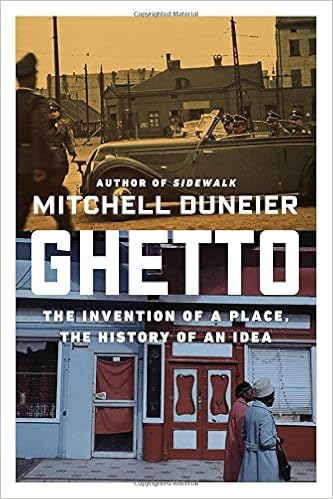
Duneier, Mitchell. Ghetto: The Invention Of A Place, The History Of An Idea. [S.l.] : Buyservice T1, c2016.

Edwards, Sue Bradford. Black lives matter. Minneapolis, MN : Abdo Publishing, 2016, c2016.

Guyatt, Nicholas. Bind Us Apart: How Enlightened Americans Invented Racial Segregation. [S.l.] : Buyservice T1, c2016.

Kitwana, Bakari. The hip hop generation : young Blacks and the crisis in African American culture. New York : Basic Civitas, c2002.

Moore, Wes. The other Wes Moore : one name, two fates. New York : Spiegel & Grau, 2010.

Morris, Monique W. Pushout: The Criminalization Of Black Girls In Schools. [S.l.] : Buyservice T1, c2016.

Myers, Walter Dean. Monster. New York : HarperCollins Publishers, 1999. (Fiction)

Reynolds, Jason. All American boys. (Fiction)

Shakur, Assata. Assata : an autobiography. Chicago, Ill. : L. Hill, c1987.

Shipp, Robbin. Justice While Black. [S.l.] : Bolden, c2014.

Coates, Ta-Nehisi. The beautiful struggle : a father, two sons, and an unlikely road to manhood. New York : Spiegel & Grau, 2009, c2008.

Magoon, Kekla. How it went down. (Fiction)

Watkins, D. Beast Side: Living and Dying while Black in America. [S.l.] : Buyservice T1, c2015.

Haas, Jeffrey. The assassination of Fred Hampton : how the FBI and the Chicago police murdered a Black Panther. Chicago : Lawrence Hill Books, c2010.

Friday, September 16, 2016

Flash Fiction Friday: The Threadbare Lie

Today's flash fiction was inspired by a recent Fresh Air episode about the racist past of Forsyth County and a lynching that sprang from a rape accusation. Ida B. Well's called these accusations made by white women (or their fathers, friends, husbands) against black men "the threadbare lie". She suspected these trysts, if they even happened, to be the result of affairs the women wouldn't admit to.

This inspired today's writing. Remember, the exercise focuses on 20-30 minutes of free writing without self edits. Try it.


The Threadbare Lie

The house was quiet, without even the usual creaks and groans of old age that she was used to. It was like it knew that it too needed to be silent, or maybe it wanted to lie still in order to bear complete witness to the event.

Coleman Redding’s daughter was on display.

Her skin glowed in the moonlight and her chest rose and fell in the slightest of movements. She could barely breath with anticipation, but still, she smiled wildly with eyes like hungry cat’s drinking in all of him. His smile matched hers, though in every other way they were opposites. While light bounced from her toes, elbows, breasts and belly, it was absorbed into his. With skin as dark good sleep his body absorbed the moon’s rays in thanks to his good fortune.

BJ Jackson was not fast, nor big, or even popular. He was an average kid with average grades in a run down town. His saving grace was his laugh. It bloomed like flowers in Beth Ann Redding’s ears. It melted into cool water’s that soothed her raging heart and quieted her screaming brain. He had saved her and tonight she would reward him.

His kisses were slow at first. He was nervous. He’d never done this before, and Beth had to lead him. She could never tell him how she knew what to do, but that was fine because she knew he would never ask. She was grateful.

He was grateful.

Rough hands met soft places and warm kisses set off bells in both their hearts. They rang until the vibration shook off their skin and left their souls bare and pulsing in rhythm.

It was the ringing that filled the room. It was the ringing that shook the house. It was the ringing that kept Coleman Redding’s homecoming silent.

His home was never silent. Televisions were left on too loud so that he couldn’t think. Radios blared at top volume so that his word couldn’t be heard clearly and then there was always the sound of his own rage clanging inside the halls and at the most horrible times inside his daughter’s body.

He climbed the stairs in discordant opposition to the remembered music. It was music, yes, music that he’d hated, music that he’d kept from her and music that would be soon lost to the lot of them.


When he opened the door he’d known what he’d seen, but she was scarred in unseen places and the goodness within her couldn’t be found to stand up for the truth, to stand against her father’s own eyes. Instead, she screamed and clawed at her novice lover’s face, and tried to remember what he looked like before the music stopped.

Episode 6: Review of Being Jazz: My Life as a (Transgender) Teen